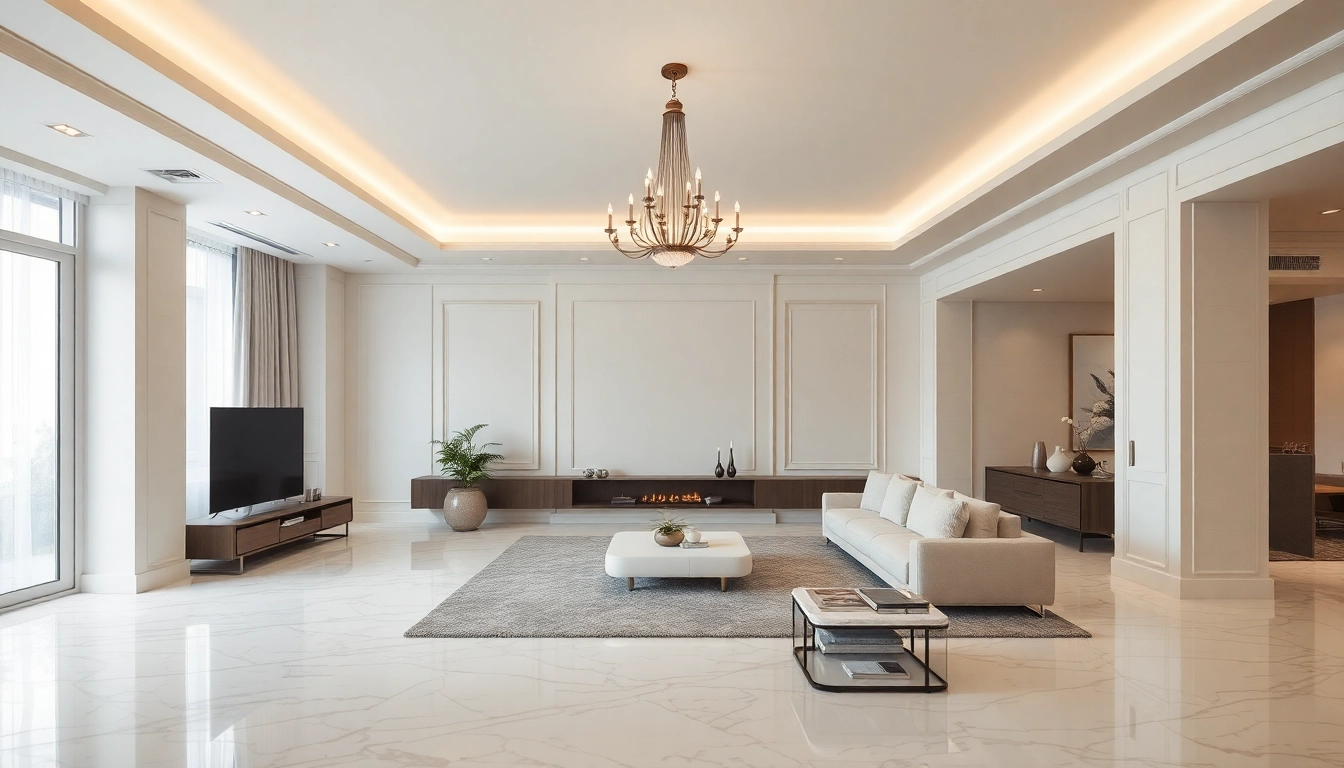
Understanding Luxury
Luxury is often defined as the state of great comfort and extravagant living, but its true essence transcends mere material abundance. It encapsulates a feeling, a state of mind, and something deeply personal that varies from one individual to another. In recent years, the dialogue surrounding luxury has evolved, driving a deeper exploration of what it means in today’s world. From textiles to technology, luxury goods and services represent more than their price tags; they signify status, identity, and art. Let us pace through the complex layers of luxury to appreciate its multifaceted character fully.
Defining Key Concepts
The broader concept of luxury can be dissected into multiple dimensions. On an economic level, luxury goods are described as items for which demand increases more than proportionally as consumer incomes rise. According to definitions from sources like the Wikipedia, luxury goods can include anything from high-end fashion to exotic cars, and even experiences like travel and fine dining.
To grasp the significance of luxury fully, one must differentiate between various forms of luxury: material luxury related to tangible goods, experiential luxury linked to 'once-in-a-lifetime' experiences, and self-care luxury that encapsulates personal well-being, such as retreats or wellness programs.
The Psychology of Luxury Spending
Understanding the psychology behind luxury spending is crucial. Various studies have illustrated that individuals indulge in luxury items not solely for the object’s utility or functionality but often for the emotional gratification they provide. The thrill of ownership, the expression of personal identity, or the status associated with certain brands plays significant roles in this behavior.
Moreover, psychological theories, such as Maslow's hierarchy of needs, suggest that luxury goods tend to fulfill higher-order needs concerning self-esteem and self-actualization. For many, luxury is not just about owning high-priced items; it's about what these possessions represent in terms of achievements, aspirations, and personal identity.
Luxury vs. Necessity
The line between luxury and necessity can often blur, leading to differing interpretations based on cultural and individual preferences. What one person considers a luxury, another might regard as essential. For instance, while some may view a high-end smartphone as a luxury, others could argue it's a necessity in our technology-driven world. This ambivalence reflects broader societal trends, where luxury becomes increasingly accessible, and its definition evolves.
This raises critical questions: How do we draw the line between the two? What shifts in perception and consumer behavior signal a move from necessity to luxury? For businesses, understanding these nuances is crucial for positioning their products effectively in the marketplace.
Types of Luxury Goods
Fashion and Accessories
Fashion and accessories form the backbone of the luxury goods market, with high-end brands like Chanel, Louis Vuitton, and Gucci defining what luxury means in terms of style and craftsmanship. These brands often leverage quality, exclusivity, and timeless design to command premium prices and maintain consumer interest.
In this segment, the concept of "fast fashion" has introduced a paradigm shift, prompting traditional luxury brands to reassess their strategies. Customers increasingly seek uniqueness, quality, and heritage, leading these brands to emphasize limited editions and artisanal production methods.
Automobiles and Tech Gadgets
Luxury automobiles epitomize status and are often seen as works of art on wheels. Brands like Rolls Royce and Ferrari have cultivated reputations for unparalleled quality and exclusivity by combining cutting-edge technology with bespoke craftsmanship.
Similarly, in the tech world, devices from brands like Apple and high-end gaming consoles do not just serve functional purposes; they represent a lifestyle. Innovative features, sleek designs, and the prestige associated with these brands contribute to their classification as luxury items.
Home Decor and Architecture
The luxury home market encompasses everything from opulent mansions to meticulously curated decor items. High-end real estate reflects not only architectural prowess but also the lifestyle preferences of affluent consumers. Buyers look for sustainability, technology integration, and personalized spaces that echo their identities.
For materials, luxury extends beyond mere aesthetics. Sustainable and ethically sourced materials are gaining traction, with buyers increasingly interested in how these choices influence their living environments and societal impact.
The Economic Impact of Luxury
Market Growth Trends
The global luxury market is experiencing remarkable growth. According to various reports, it has shown resilience even amidst economic downturns, with luxury goods often seen as "safe" investments. Trends indicate a shift towards personalized and experiential luxury over traditional consumer goods, necessitating adjustments in marketing strategies.
Asia-Pacific has become a significant player in driving this growth, with rising middle-class consumers looking for luxury items as markers of status. Brands need to tailor their offerings to this demographic, especially by embracing digital marketing strategies that resonate with younger consumers.
Luxury Market Demographics
Today's luxury consumers are diverse, ranging from young millennial buyers to older generations. Data suggests millennials prioritize experiences over products, a trend that encourages luxury brands to innovate their offerings. This demographic often values sustainability, ethics, and social responsibility, pushing brands towards these values in their business practices.
On the other hand, older generations may still hold onto traditional views of luxury—valuing craftsmanship, history, and lasting quality. Thus, a multi-faceted approach that considers varied customer backgrounds and preferences is imperative for brands to thrive.
Luxury Tax and its Implications
Luxury tax is a fiscal measure increasingly employed by governments to curb excessive consumerism and promote equity. The impact of such taxes can be significant, affecting consumer behavior and brand strategies. Luxury brands often engage in tax planning to navigate these regulations while remaining competitive.
For example, brands may consider altering product pricing, production strategies, or even revisiting their luxury marketing narratives. Balancing desirability with regulatory demands becomes an ever-present challenge for luxury goods manufacturers.
Today's Luxury Consumer
Changing Preferences and Values
The luxury consumer landscape is subject to significant shifts. Today, consumers are not just purchasing products; they are buying into a lifestyle. The values that consumers associate with luxury are evolving, with many prioritizing authenticity, personalization, and ethical production over mere brand prestige.
These changes necessitate a proactive approach. Brands that harness consumer insights to create tailor-made experiences, whether through customization or interactive marketing, can foster deeper loyalty and retain competitive advantages.
Luxury in the Age of Sustainability
Sustainability has become an essential tenet of luxury. As eco-consciousness rises among consumers, brands face increasing pressure to adopt sustainable practices. From sourcing materials to production processes and packaging, sustainable strategies can define luxury in the modern age.
Brands like Stella McCartney are leading the charge in establishing eco-friendliness while maintaining luxury appeal. These efforts not only cater to market demand but also position companies as ethical leaders in their industries, fostering customer trust and loyalty.
The Role of Digital Marketing in Luxury
Digital marketing has radically transformed how luxury brands relate to consumers. Social media tools have become essential for brands to engage with a broader audience. Platforms like Instagram allow brands to showcase their offerings in visually compelling ways, cultivating aspirational imagery that resonates with consumers.
Additionally, influencer partnerships can amplify brand visibility while generating authentic engagement. The effective use of data analytics enables brands to personalize marketing messages and create immersive experiences, cementing brand loyalty.
Luxury Brands: Success Stories
Case Studies of Leading Luxury Brands
Success stories abound in the luxury segment. A prominent example is Louis Vuitton, which has maintained its status through continual innovation, leveraging its heritage while embracing modern consumer trends. Collaborations with contemporary artists and designers have kept the brand relevant and diversified its offerings, appealing to both traditional and new customers.
Another exemplary case is that of Rolex, which has entrenched itself as a symbol of luxury and precision. Their marketing campaigns often portray not just watches, but a lifestyle linked to success and achievement, creating a strong emotional bond with consumers.
Innovations and Brand Collaborations
Innovative collaborations signal a future where luxury brands must adapt to creative partnerships that blend artistry with commerce. For example, artistic collaborations between brands and designers can lead to unique, limited-edition products, fostering consumer excitement and exclusivity. This aligns perfectly with millennial consumers' demand for unique experiences rather than mere transactions.
Additionally, embracing technology, such as augmented reality (AR) within retail spaces, allows customers to explore products in interactive ways, enhancing engagement and influencing purchase decisions positively.
Challenges Facing Luxury Brands Today
Despite robust market performance, luxury brands face numerous challenges. Rapid digital transformation, evolving consumer expectations, and the specter of economic shifts create a complex environment. Brands must navigate maintaining exclusivity while becoming more accessible through online platforms.
Moreover, global crises, such as the COVID-19 pandemic, have highlighted the vulnerabilities in supply chains and the acute need for brands to adapt quickly to meet changing consumer needs. Strategies reliant on resilient supply chains, robust digital engagement, and authentic customer dialogue will be pivotal for success in the post-pandemic luxury landscape.
This comprehensive guide serves as an exploration of the multifaceted world of luxury, illustrating the driving forces, challenges, and opportunities. As the luxury landscape shifts, brands that adapt to emerging trends and consumer values will continue to thrive and define what luxury truly means in the modern age.